The 24/7 Security Watchtower: How Continuous Monitoring Drives Rapid Threat Response
The Imperative of Continuous Vigilance
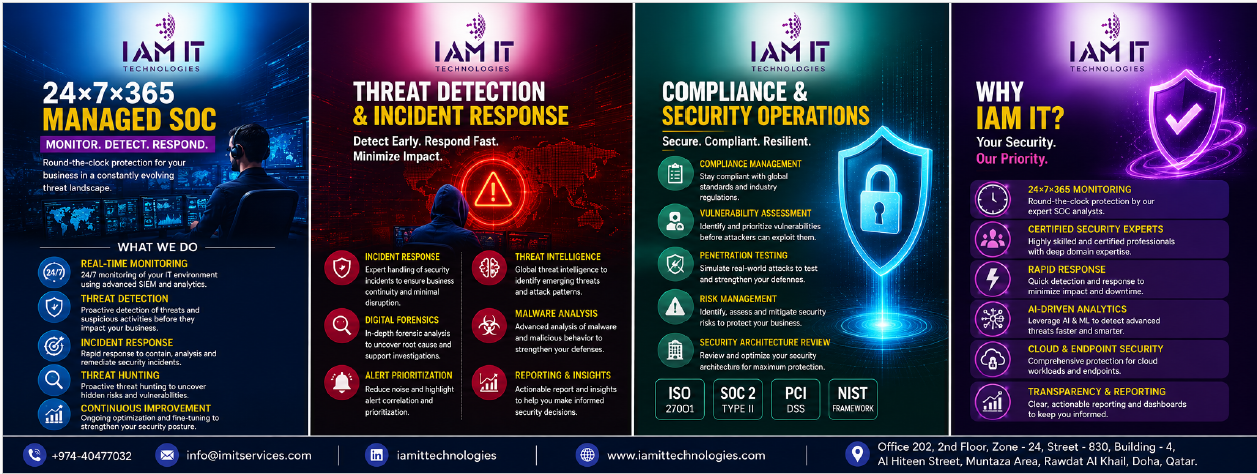
In the modern digital landscape, cyber threats do not adhere to business hours. Attackers operate around the clock, leveraging automated tools and sophisticated social engineering tactics to exploit vulnerabilities at any moment. For organizations relying on traditional, business-hours-only security operations, this gap represents a critical vulnerability. 24/7 security monitoring is no longer a luxury but a fundamental requirement for maintaining robust cybersecurity posture. By establishing a continuous watchtower, enterprises can ensure that no threat goes unnoticed, regardless of when it occurs.
Accelerating Detection Through Automation and AI
The sheer volume of log data generated by modern IT environments makes manual review impossible. This is where the integration of Security Information and Event Management (SIEM) systems with Artificial Intelligence (AI) and Machine Learning (ML) becomes pivotal. These technologies analyze vast datasets in real-time, identifying anomalies and patterns that indicate potential breaches. The result is a significant reduction in Mean Time to Detect (MTTD). Instead of discovering an intrusion days or weeks later, security teams can identify suspicious activity within minutes or even seconds, allowing for immediate investigation.
From Detection to Rapid Response
Detection is only half the battle; the other half is response. A 24/7 monitoring strategy is inherently tied to a rapid response framework. When an alert is triggered, automated playbooks can immediately isolate compromised endpoints, block malicious IP addresses, or reset credentials. This automated first response buys valuable time for human analysts to engage with the incident. The synergy between continuous monitoring and automated response tools ensures that the Mean Time to Respond (MTTR) is minimized, limiting the blast radius of any successful attack and reducing potential financial and reputational damage.
Building a Resilient Security Culture
Implementing 24/7 monitoring also fosters a culture of security resilience within the organization. It provides leadership with real-time visibility into the security posture, enabling data-driven decision-making regarding resource allocation and risk management. Furthermore, it ensures compliance with various regulatory standards that require continuous oversight of data protection. By embracing a proactive, always-on approach, organizations transform their security operations from a cost center into a strategic asset that protects business continuity and supports digital transformation initiatives.